
Updated on July 25, 2019
The Camargue, France
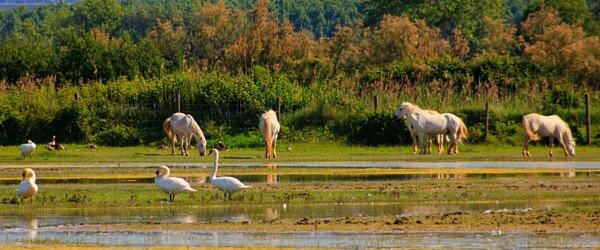
Famous White Ponies, Flamingoes, Black Bulls, and Salt…
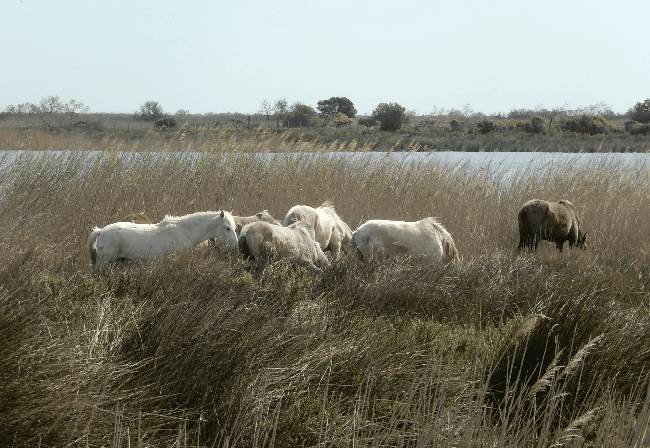
The Camargue was an area that had long been on my bucket list and was one of our favorite destinations when traveling with our little caravan in Europe. The ponies of the region were the main drawcard and they did not fail to impress. They are no longer running wild through the marshes, which is a shame as they are such an integral part of the local history.
It was designated a nature reserve in 1927, helping to preserve the famous region for future generations.
Pink Flamingoes, many migratory birds, the European Otter, and Black Bulls are all part of the fabric of this region in France.
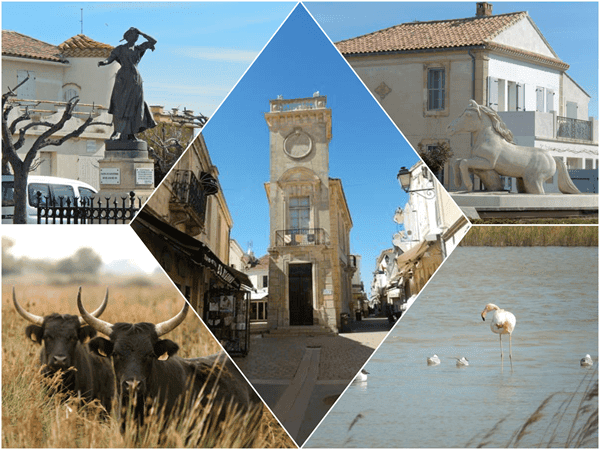
Saintes-Maries-de-la-Mer, a pretty little seaside village, has an abundance of cafes and market stalls selling local produce and traditional dishes. A bullfighting arena, close to the beach, where fights with the black Camargue bulls are held was something we chose to miss. The bulls are not killed, but we deferred a visit all the same.
Horse riding stables line the main road into Saintes-Maries-de-la-Mer, ‘Promenade a Cheval’ signs are everywhere. Not every center is reputable, as is the case with horse riding centers the world over.
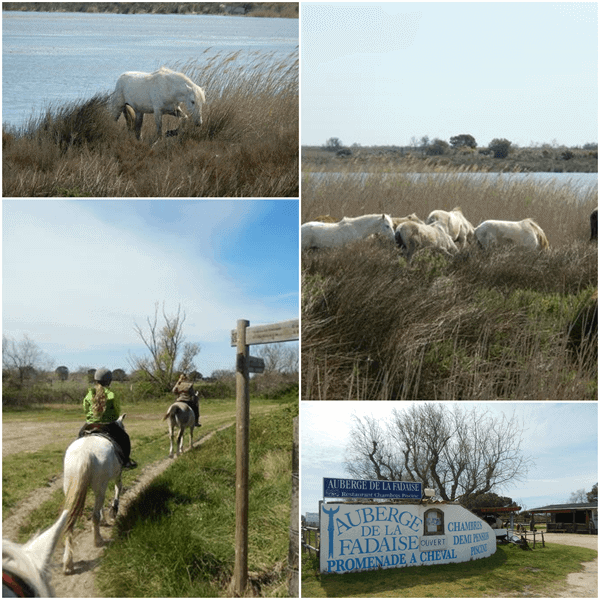
Two horse riding stables of the Camargue that we can recommend are:
La Fadaise:
Heidi, who owns this riding center, loves her horses and leads the rides through farmland and alongside a lake. She was careful to match the horse to the rider. The saddles were well-fitting and the ride a pleasure to go on.
Website: Promenade de La Fadaise | Facebook Page

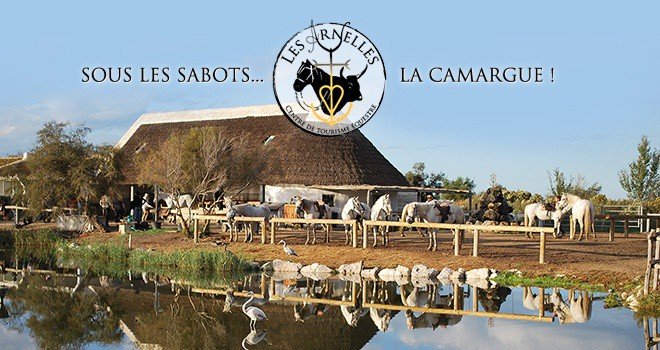
Centre Equestre “Les Arnelles”
Beautifully managed by sisters, this riding center has a well-earned reputation for horse riding in the Camargue. The horses are all well cared for, the rides are superb.
Website: Les Arnelles
The Gypsy Festival
The Gypsy’s Pilgrimage in May would be a time I’d love to go back to Saintes-Maries-de-la-Mer for.
‘Gypsies and the Camargue Cowboys on their white horses together re-enact an intriguing legend of two Marys related to Christ and their arrival on the shores of the Mediterranean aided by the Gypsy patron Saint Sara la Kali’.
Salt harvesting
Salt harvesting is important in the Camargue. In the southeast area, near Salin-de-Giraud and the Grand Rhône are the salt marshes.
Salt production in the Camargue began centuries ago, by both the Greeks and the Romans, continuing on to this day. The salt was taken along the Mediterranean coast and then inland on the salt roads or “Routes du Sel”.

Accommodation in the Camargue
We stayed one night in the camping park nearby and then decided to splurge on accommodation as the girls were keen to swim.
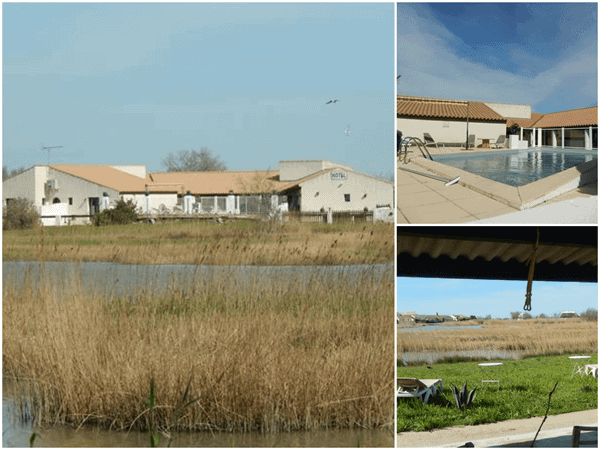
Les Rizières, a small, family-run business, was terrific value and one of the few places with a pool open to use so early in the season. The water was very cold, but the room was perfect and the location ideal. Looking out over the marshlands towards the village with pink Flamingos…
Les Rizières
The bulls kind of caught my eye. I thought for a second that they’re wild but you say they’re used for fighting – which I guess even less comforting 🙁 I’d take a wide berth 🙂
Interesting post, have never heard of this area.
Frank (bbqboy)
We ‘steered’ clear of it completely…